
AnimeStream: MGM cartoons and friends from 1930 to 1971, from Tom and Jerry, Droopy and Tex Avery to Barney Bear, the Happy Harmonies, Woody Woodpecker and Heckle and Jeckle, and where to watch them
198 theatrical cartoons from MGM, Walter Lantz and Terrytoons: Tom and Jerry, Droopy, Spike and Tyke, Screwy Squirrel, Barney Bear, the Captain and the Kids, the Happy Harmonies, Flip the Frog, Oswald, Woody Woodpecker, Chilly Willy, Heckle and Jeckle and Gandy Goose. Search a title and press Watch now.
Latest cartoons
View allTom and Jerry
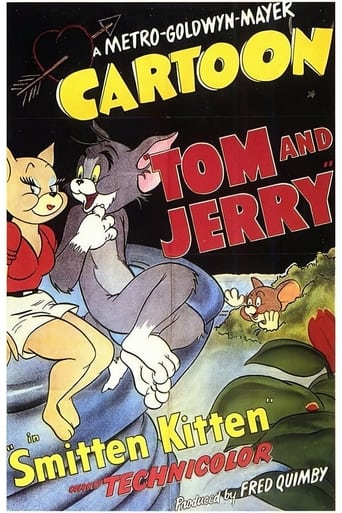
Smitten Kitten
Tom's in love again, and Jerry's devil conscience reminds him of times this has happened in the past (which, of course, we see, in the form of clips from earlier shorts), and how that's been nothing but trouble for Jerry.
Watch nowDroopy
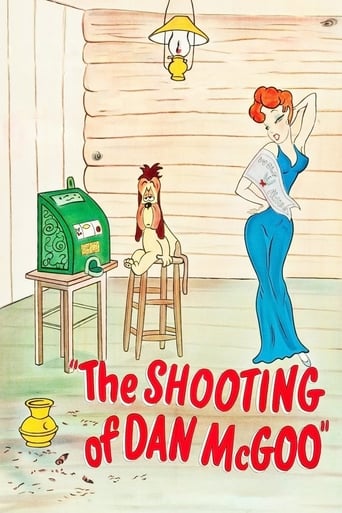
The Shooting of Dan McGoo
Dangerous Dan McGoo (Droopy) faces the wolf, a dangerous outlaw who is trying to steal his girl Lou, during the Alaska gold rush. Loosely based on "The Shooting of Dan McGrew" by Robert W. Service.
Watch nowTom and Jerry
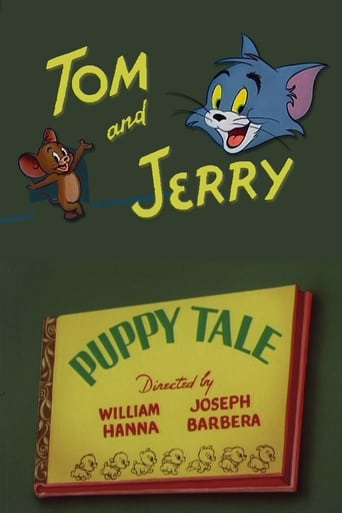
Puppy Tale
Jerry rescues a bag of puppies from the river. Most of them run away as soon as Jerry releases them, but one stays behind. Jerry tries to get rid of it, but ultimately takes pity and invites the frisky pup inside, where he has to hide it from Tom, who keeps throwing it out.
Watch nowMGM
T.V. of Tomorrow
A variety of fanciful innovations in "future" T.V. sets, including a model with a built-in stove, and a number of highly interactive models. And of course, even with dozens of channels, there's nothing on...or more accurately, there's nothing but the same Western.
Watch nowTom and Jerry
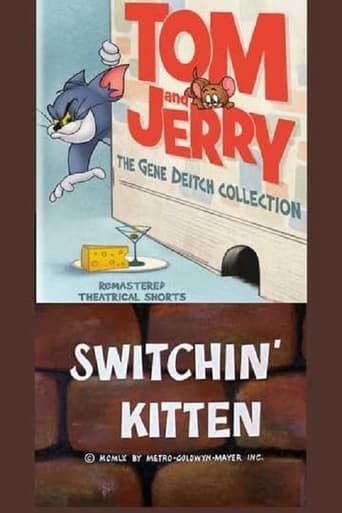
Switchin' Kitten
Tom becomes fearless when he feels like going into the eerie castle.
Watch nowTom and Jerry
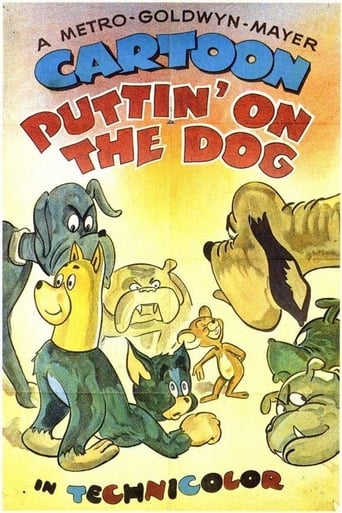
Puttin' on the Dog
Jerry runs into a dog pound (and right on top of a napping Spike) to escape a rather mangy-looking Tom. To avoid being ripped to shreds, Tom borrows the head of a nearby dog statue. This easily fools the dogs, but not Jerry, and Tom keeps losing his newfound head...
Watch nowTom and Jerry
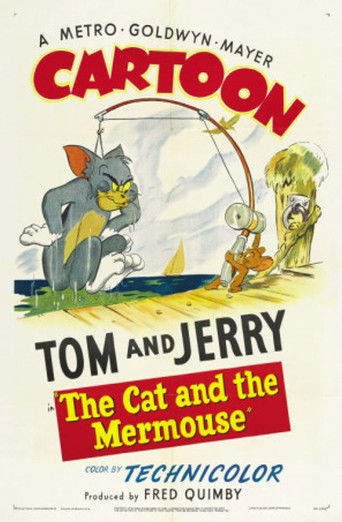
The Cat and the Mermouse
Tom drowns in a lake and sinks to the bottom. There, he finds a mermouse, which he tries to capture and eat.
Watch nowTom and Jerry
Tot Watchers
The lady of the house has gone out for a few hours, leaving her baby in the care of a teen babysitter. Tom and Jerry must call a truce to their constant chases as the baby, unsupervised, continually gets loose.
Watch nowTom and Jerry
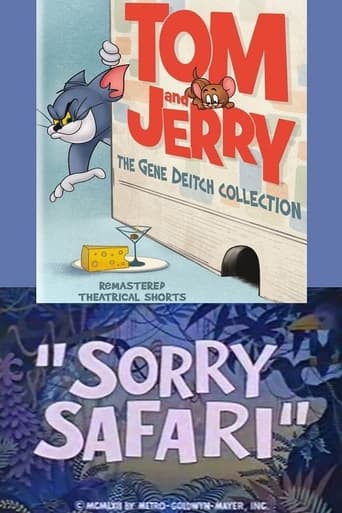
Sorry Safari
Tom joins his owner on a hunting safari in Kenya. Jerry has hidden himself in the Clint's luggage, and Tom quickly sees him and attempts to get rid of him.
Watch now

Droopy
View allDroopy
The Shooting of Dan McGoo
Dangerous Dan McGoo (Droopy) faces the wolf, a dangerous outlaw who is trying to steal his girl Lou, during the Alaska gold rush. Loosely based on "The Shooting of Dan McGrew" by Robert W. Service.
Watch nowDroopy
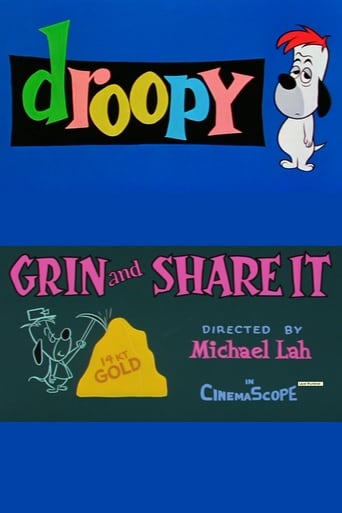
Grin and Share It
Butch and Droopy have equal shares in a gold mine. When they finally strike gold, Butch tries to make his share more equal by doing away with Droopy, with no success.
Watch nowDroopy
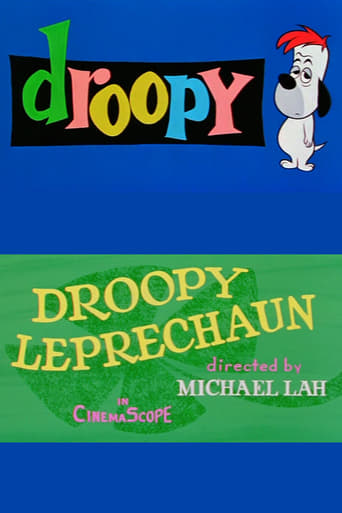
Droopy Leprechaun
Droopy, on an Irish stopover of an international flight, buys a souvenir leprechaun hat, and is mistaken for a real leprechaun by Butch.
Watch now
Barney Bear
View allBarney Bear
Barney's Hungry Cousin
Barney Bear heads to Jellystone National Park for a vacation while another bear, native to the park, notices Barney's picnic lunch and makes various attempts to steal the food.
Watch nowBarney Bear
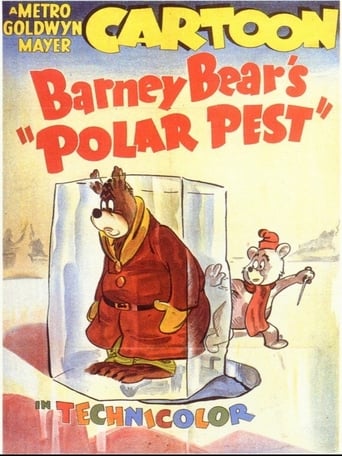
Polar Pest
Barney just wants to hibernate for the winter, but his nephew, just in from the North Pole, has other plans.
Watch now
Walter Lantz
View allWalter Lantz
Chiller Dillers
Chilly Willy and his friend the polar bear play rock music, which disturbs a ship's captain.
Watch nowWalter Lantz
Mouse Trapped
Hickory and Dickory, the two mice, overhear a news report that all black cats will be exterminated because it is Friday the 13th. Doc, who is a black cat, is being hounded by the police. They try to "help" him but their attempts cause more harm than good (they tell him to hide in Cecil the bulldog's doghouse and inside a running dishwasher). When he discovers he's being given the "run-around", he tries to get his revenge on them (and on Cecil the bulldog) but all his attempts fail miserably.
Watch now


Terrytoons
View allTerrytoons
Satisfied Customers
Heckle and Jeckle, the talking Magpies, are running rampant and causing much havoc in a supermarket mush to the dismay of the proprietor. Seveal wild chase ensue, with the store owner on the short end of most of them, until all three are caught inside of a giant soap bubble and carried skyward. The bubble bursts, and H & J are returned to the cartoonist's inkwell.
Watch nowTerrytoons
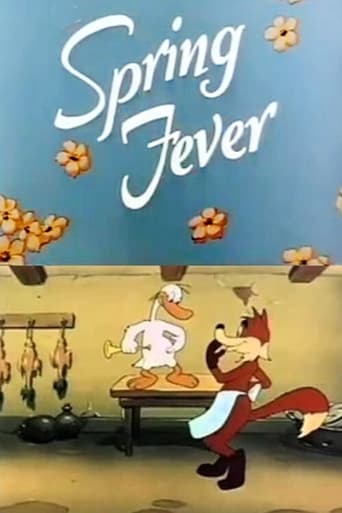
Spring Fever
A Paul Terry Terrytoon cartoon (production number 5109) in which Gandy Goose gets spring fever (the only mention of the word "spring" in this seven-minute cartoon) and runs away from home, and promptly runs into a fox, proprietor of a roadside diner, who wishes to offer goose-fricassee on his menu. Gandy's goose is about to be cooked, until he develops a sneezing-fit and sneezes his way back home. This cartoon has nothing do do with some MTK3 short with the same title.
Watch nowTerrytoons
Cat Trouble
Heckle and Jeckle see a seemingly helpless baby bird (who keeps saying he is only three years old) in danger as a cat is trying to capture it.
Watch now

AnimeStream: MGM cartoons and friends from 1930 to 1971, from Tom and Jerry, Droopy and Tex Avery to Barney Bear, the Happy Harmonies, Woody Woodpecker and Heckle and Jeckle
In the golden age of Hollywood, Metro-Goldwyn-Mayer was the grandest studio of all, with more stars than there are in heaven, as its slogan promised. Its cartoon department was just as ambitious. From the early musical shorts of Hugh Harman and Rudolf Ising to the Academy Award winning Tom and Jerry of William Hanna and Joseph Barbera and the anarchic comedies of Tex Avery, MGM made some of the most polished and some of the funniest cartoons ever produced. AnimeStream is a guide to that studio and two of its neighbours: a hand-picked catalogue of 198 theatrical cartoons from 1930 to 1971, with a page for each one and a Watch now button that leads to the official services that carry it.
Here you will find 43 cartoons with Tom and Jerry, from the classic Hanna-Barbera years to the Prague cartoons of Gene Deitch and the stylish revival by Chuck Jones, 16 with Droopy, the slow little dog who always wins, and 39 directed by Tex Avery, with Screwy Squirrel, George and Junior, Spike the bulldog and a parade of cartoons about the world of tomorrow. There are 20 cartoons with Barney Bear and the Bear Family, 10 with the Captain and the Kids, 23 Happy Harmonies and early MGM one-shots with Flip the Frog and Bosko, and 6 starring Spike and Tyke and the dogs of the studio.
The catalogue also visits two neighbouring studios whose cartoons are still waiting for a wider audience. The Walter Lantz shelf holds 31 cartoons with Oswald the Lucky Rabbit, Woody Woodpecker, Andy Panda, Chilly Willy and Doc the cat, and the Terrytoons shelf holds 23 with Heckle and Jeckle, Gandy Goose, Mighty Mouse, John Doormat and Sad Cat.
By decade, the catalogue holds 30 cartoons from the 1930s, 51 from the 1940s, 63 from the 1950s and 54 from 1960 to 1971. Every page gives the story, the year, the running time and the studio, and the Watch now button opens the cartoon on JustWatch for the country you choose, where you can see which subscription, rental, purchase and free services carry it. You can save cartoons to My List, which stays in your browser, and build a programme of your own.
AnimeStream is made for everyone who loves a classic cartoon: families looking for a chase that stays fresh after a hundred viewings, fans of Tex Avery's speed and surprise, students of animation and music, and anyone who wants seven minutes of slapstick. The catalogue has been chosen by hand, and the cartoons on it are the cheerful, inventive heart of these studios.
This guide explains how the site looks and works, then takes a walk through the history of MGM's cartoons and its neighbours, star by star and decade by decade, with links to the cartoons along the way. It closes with ideas for programmes, tips for watching today and answers to common questions.
How AnimeStream looks
AnimeStream takes its look from the archived pages of animestream.to, a German anime blog built on Bam, a popular magazine theme for WordPress. The design is clean, classic and easy to read, like a well-kept newspaper website. The whole site sits in a wide white box on a light grey background, so it feels like a printed page laid on a table.
At the top, a white header carries a large, bold wordmark in bright red beside a small red television, with a short tagline beneath it, and a small framed notice on the right, where the original placed a widget. Below the header runs a solid black navigation bar across the full width of the page, with bold uppercase links in white that turn red when you point at them, and a search field on the right with a red button, just as the original kept its search behind an icon at the end of the bar.
The home page follows the original's list style. A short introduction sits in a pale grey panel with a red edge, and then the cartoons appear one below another, each with its poster on the left and, on the right, a small red label naming the series or studio, a large condensed headline, a grey line with the year, running time, studio and rating, a short summary and a red Watch now button with slightly rounded corners. The original used exactly this arrangement for its anime posts.
On wide screens, a sidebar runs down the right side of the page with three widgets: the shelves, the most popular cartoons with small posters, and the guides, each under a bold heading with a red rule. Between the sections, a row of square boxes with thin grey borders works like the original's pagination, with the current box in red and every other box leading to a shelf.
At the foot of the page, a dark grey band holds two footer widgets, and a black strip carries the copyright line in pale grey. Text is set in Source Sans Pro, the friendly sans-serif of the original, and headlines in Roboto Condensed. On a phone, the links fold into a menu button in the black bar, the sidebar moves below the list and each entry keeps its poster on the left in a narrower column.
Using the site
There are four easy ways into the catalogue. The first is the search field in the black bar, or in the menu on a phone. Type part of a title or the name of a character, such as Tom, Jerry, Droopy, Barney, Woody or Heckle, and the matching cartoons appear as you type. Search understands short names and alternative titles, so it finds a cartoon even when you remember only one word of it.
The second is the home page. The Latest cartoons list shows ten favourites with their posters and summaries, the square boxes beneath lead to every shelf, and the shorter lists below bring Droopy, Barney Bear, Walter Lantz and Terrytoons. The third is the sidebar, with every shelf, the most popular cartoons and the guides always within reach. The fourth is the A to Z list, which arranges every cartoon by its first letter.
Each cartoon has its own page, laid out like a short magazine article. The poster sits beside the headline, followed by the year, the running time, the rating and a summary of the story. Further down you will find the directors and voices where they are known, the studio, and a panel headed Where to watch. Pick your country there, press Watch now, and JustWatch lists the official services that offer the cartoon in that country, from subscription and free services with adverts to digital stores and libraries.
My List lives in your own browser. Press the button on any cartoon page to add it, open My List from the menu, and remove a cartoon once you have watched it. You can export the list as a small file and import it on another computer, tablet or phone, which makes it easy to keep a family programme ready for the weekend.
The early MGM cartoons and the Happy Harmonies
MGM's first cartoons came from outside the studio. In 1930, Ub Iwerks, the animator who had drawn the first Mickey Mouse cartoons, opened his own studio and created Flip the Frog for MGM release. Fiddlesticks, Flip's first cartoon, was one of the earliest sound cartoons made in colour, and Stormy Seas sends the cheerful frog to rescue a girl from a storm at sea. In Reducing Creme, from 1934, Iwerks's later star Willie Whopper shrinks to the size of a mouse after a mishap with a jar of cream.
From 1934, Hugh Harman and Rudolf Ising, the creators of Bosko, made the Happy Harmonies for MGM, a series of lavish musical cartoons in full colour. Bosko's Parlor Pranks brings their old star along, When the Cat's Away lets the mice loose in the kitchen, and Good Little Monkeys sends a parade of storybook characters to rescue the three wise monkeys from mischief.
In 1937, MGM opened its own cartoon studio under the producer Fred Quimby, and its first series was based on a famous newspaper comic strip. The Captain and the Kids followed a seafaring captain, his wife, his rascally twin boys and their rival Long John Silver. The catalogue holds 10 of them, including The Captain's Christmas, The Captain's Pup, Poultry Pirates, A Day at the Beach, Old Smokey, about a faithful fire horse, Cleaning House, Mama's New Hat, Seal Skinners and Petunia Natural Park, a gentle tour of the national parks.
Harman and Ising returned to MGM's own studio and made some of the most beautiful cartoons of the period. Rudolf Ising's The Blue Danube is a lyrical journey through landscapes set to Strauss, Home on the Range follows a calf and a jackrabbit through the night, Dance of the Weed is a little ballet in the garden, The First Swallow tells the legend of the swallows of San Juan Capistrano, and Little Gravel Voice follows a little burro with a very loud bray. Hugh Harman's The Bookworm and The Bookworm Turns bring the characters of famous books to life at night, The Little Mole meets a travelling salesman skunk, and The Field Mouse follows a young mouse and his grandfather when farm machinery arrives. The Mad Maestro, Jitterbug Follies, Gallopin' Gals, The Goose Goes South, Officer Pooch and Bats in the Belfry complete the shelf of 23 cartoons.
Barney Bear and the Bear Family
Barney Bear was Rudolf Ising's great creation, a large, slow, good-natured bear who only wants a quiet life and a long winter's sleep. He first appeared in 1939, struggling to get to sleep for the winter while leaky roofs, loose shutters and a whistling kettle all conspire against him. The Barney Bear shelf holds 20 cartoons with Barney and Hugh Harman's Bear Family.
Barney's early adventures are gentle comedies of everyday frustration. In The Fishing Bear a persistent duck spoils every catch, in The Bear and the Beavers he runs short of firewood in the depths of winter, and in The Uninvited Pest a squirrel wants his bedtime bowl of walnuts. Polar Pest brings an energetic nephew from the North Pole just as Barney is settling down to hibernate, and The Unwelcome Guest sets him against a skunk in the berry patch.
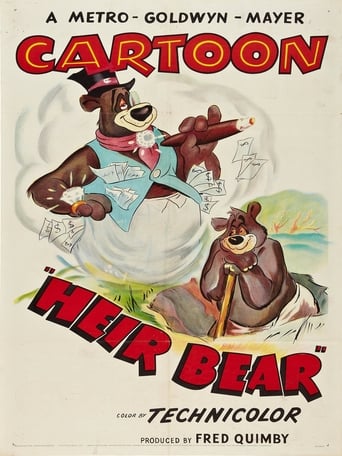
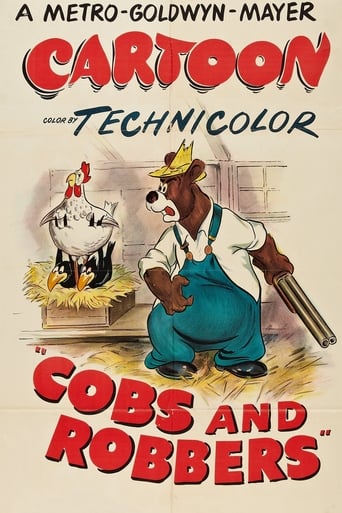
In the later forties and fifties, Barney's cartoons became faster and funnier. The Bear and the Bean brings a Mexican jumping bean into his home, The Bear and the Hare sends him after a snowshoe rabbit who is invisible against the snow, and Goggle Fishing Bear gives him a diving mask and an overly helpful little seal. Busybody Bear has him helping a beaver during Good Neighbour Week, Barney's Hungry Cousin sends him on holiday to a national park with a picnic thief on his trail, and Heir Bear, Cobs and Robbers, Half-Pint Palomino, The Impossible Possum, Wee-Willie Wildcat and Sleepy-Time Squirrel bring a gallery of small animals who outwit the big bear.
Hugh Harman's Bear Family is a warmer, more domestic group, with Papa, Mama and Junior. Goldilocks and the Three Bears retells the classic fairy tale, A Rainy Day with the Bear Family has Papa fixing a leaky roof in a storm, and Papa Gets the Bird tries to give the family canary a bath. These cartoons are beautifully drawn and perfect for younger viewers.
Tom and Jerry
In 1940, two young MGM artists, William Hanna and Joseph Barbera, made a cartoon about a grey cat and a brown mouse, and the studio found its greatest stars. Tom and Jerry won seven Academy Awards over the next fifteen years, and their wordless chases, set to Scott Bradley's lively scores, became the most popular cartoons in the world. The Tom and Jerry shelf holds 43 cartoons, from the Hanna-Barbera years to the sixties.
The Hanna-Barbera cartoons in the catalogue show the pair at their most inventive. In Puttin' on the Dog, Tom disguises himself in a dog's head to chase Jerry through a dog pound, in The Cat and the Mermouse Tom dreams of an underwater chase with a mermouse, and in Nit-Witty Kitty a bump on the head convinces Tom that he is a mouse himself. Smitten Kitten has Jerry's little devil reminding him of Tom's past romances, Life with Tom imagines Jerry writing a best-selling book about his roommate, and The Missing Mouse turns a bottle of white shoe polish into a comedy of mistaken identity.
The fifties brought some of their warmest stories. In Puppy Tale, Jerry rescues a bag of puppies from the river and adopts the one who stays, in Busy Buddies and Tot Watchers the cat and mouse join forces to rescue a baby left in the care of a distracted babysitter, and Good Will to Men is a thoughtful Christmas story told by a choir of mice.
The sixties gave Tom and Jerry two new lives. The 32 cartoons on the Tom and Jerry in the sixties shelf are described below, from Gene Deitch's cartoons made in Prague to Chuck Jones's elegant revival in Hollywood. Together, the three eras show how a simple chase could be told in very different styles, and how the characters stayed lovable in every one of them.
Tex Avery and Droopy
Tex Avery arrived at MGM in 1941 after making his name at Warner Bros., and over the next twelve years he made the fastest, wildest and most surprising cartoons in Hollywood. His characters stretch, explode, run off the edge of the film and talk to the audience, and his gags arrive so quickly that every cartoon rewards a second viewing. The Tex Avery shelf holds 39 of his cartoons.
Avery's most famous MGM star is Droopy, a small, sad-eyed basset hound with a slow, flat voice who always turns up exactly where his opponents least expect him. In The Shooting of Dan McGoo and Wild and Woolfy he faces the wolf in the Wild West, in Wags to Riches he inherits a fortune that Spike the bulldog would like for himself, and in The Chump Champ and Daredevil Droopy he competes against Spike for glory. Droopy's Double Trouble introduces his twin brother Drippy, and Dixieland Droopy follows a dog who loves jazz and the flea band who make his dream come true.
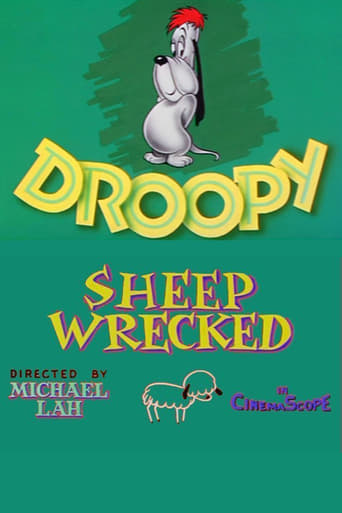
The later Droopy cartoons, from Avery's final years and from the films his longtime animator Michael Lah directed after him, are just as charming. The Three Little Pups has Droopy and his brothers outwitting a slow-talking dogcatcher, Drag-A-Long Droopy settles a range war between sheep and cattle ranchers, Grin and Share It sends him prospecting for gold, Blackboard Jumble fills a classroom with three little Droopys, and One Droopy Knight, Sheep Wrecked, Mutts About Racing and Droopy Leprechaun carry him to castles, pastures, racetracks and Ireland.
Avery's other characters are just as memorable. Screwy Squirrel, the most anarchic squirrel in cartoon history, stars in Happy-Go-Nutty and The Screwy Truant and befriends a lonely giant dog in Lonesome Lenny. George and Junior, a pair of bumbling bears, try their luck as dog catchers in Hound Hunters and as forest rangers in Red Hot Rangers. Slap Happy Lion has the king of the jungle reduced to nerves by a tiny mouse, The Early Bird Dood It! is a chase with a worm and a cat, and What's Buzzin' Buzzard? and One Ham's Family show Avery's appetite for absurd hunger gags.
Some of Avery's best cartoons look at modern life. Car of Tomorrow and T.V. of Tomorrow imagine the motoring and television gadgets of the future, One Cab's Family follows a family of taxicabs whose son wants to become a hot rod, Little Johnny Jet follows an old propeller plane and his jet-powered son, and Field and Scream is a rapid-fire collection of gags about hunting and fishing. Cock-a-Doodle Dog, The Cuckoo Clock, Garden Gopher, The Peachy Cobbler, What Price Fleadom, Little 'Tinker, Billy Boy, The Flea Circus, Cellbound and The First Bad Man complete a joyful collection.
Tom and Jerry in the sixties
When MGM closed its original cartoon studio in 1957, it seemed that Tom and Jerry had made their last chase. In 1961, however, the studio commissioned new cartoons from the American director Gene Deitch, who worked with a team of artists in Prague, in what was then Czechoslovakia. The thirteen Deitch cartoons have a unique, slightly dreamlike style, with unusual music and sound effects, and they carry the chase all over the world. The catalogue holds all thirteen.
In Switchin' Kitten, Tom becomes fearless in a spooky castle, in Down and Outing and High Steaks he spends a holiday with his bad-tempered owner Clint Clobber, and in It's Greek to Me-ow! the chase moves to ancient Athens. Mouse Into Space sends Jerry to join the space programme, Landing Stripling brings a polite little bird, Calypso Cat takes Tom aboard a cruise ship, and Dicky Moe is a comic retelling of Moby Dick. The Tom and Jerry Cartoon Kit shows how to make a Tom and Jerry cartoon from a box of parts, Tall in the Trap goes west, Sorry Safari goes to Kenya, Buddies Thicker Than Water warms up a snowy night and Carmen Get It! goes to the opera.
From 1963, Chuck Jones, the great director of the Road Runner cartoons, made a new series of Tom and Jerry at his own Sib-Tower 12 studio in Hollywood. Jones gave Tom thicker eyebrows and a more expressive face, and his cartoons have elegant designs, bold colours and some of the most beautiful backgrounds in the series. Much Ado About Mousing, Snowbody Loves Me, The Unshrinkable Jerry Mouse and Is There a Doctor in the Mouse? opened the series, and The Year of the Mouse, The Cat's Me-Ouch, Ah, Sweet Mouse-Story Of Life, Bad Day at Cat Rock and The Brothers Carry-Mouse-Off followed.
The later Jones cartoons are full of surprises. Duel Personality stages a formal duel with every weapon imaginable, Jerry-Go-Round gives Jerry an elephant for a friend, Matinee Mouse has the pair watching their own old cartoons, Filet Meow brings a goldfish into the chase, and Guided Mouse-Ille and Advance and Be Mechanized carry the rivals into a robot future. Puss 'n' Boats, Surf-Bored Cat, Purr-Chance to Dream, Jerry, Jerry, Quite Contrary, Haunted Mouse and Rock 'n' Rodent, with Jerry as the drummer in a mouse rock band, close the era in style.
Spike, Tyke and the dogs of MGM
Spike the bulldog appears all over the MGM catalogue, as Tom's gruff neighbour, as Droopy's rival and as a star in his own right. In The Counterfeit Cat he guards a canary from a cat in disguise, in Garden Gopher he meets a belligerent gopher, and in Rock-a-Bye Bear he takes a job keeping a hibernating bear's house perfectly quiet. In 1957, Hanna and Barbera gave him his own series with his little son Tyke, and Give and Tyke and Scat Cats follow father and son through a dog licence muddle and a night in charge of the house.
Walter Lantz
Walter Lantz ran his cartoon studio at Universal for more than forty years, longer than almost anyone else in the business. He took over Oswald the Lucky Rabbit in 1929, created Andy Panda in 1939 and Woody Woodpecker in 1940, and went on making theatrical cartoons until 1972, when he was one of the last producers still doing so. The Walter Lantz shelf holds 31 of his cartoons.
The Oswald cartoons of the early thirties are full of bouncy energy. In The Hunter, Oswald wears his familiar shirt for the first time, in Kings Up he dreams of becoming a knight, in William Tell he retells the famous legend of the apple, and in Do a Good Deed, credited to a young Tex Avery, he runs a boys' camp that is rescued by its animal friends. Trailer Thrills takes Oswald on a bumpy road trip, and The Egg Cracker Suite, from 1943, was his final cartoon, with a choir of hens laying eggs for Easter to the music of Tchaikovsky.
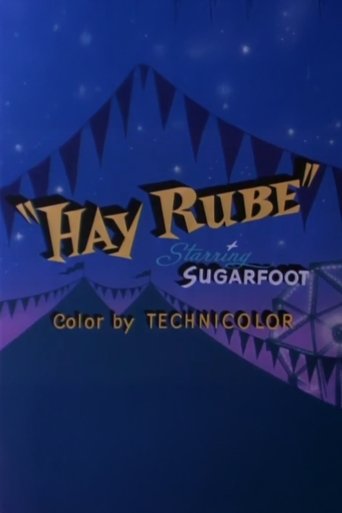
The forties brought new stars and musical experiments. Snuffy's Party has Snuffy Skunk saving the guests who threw him out of his own party, Andy Panda's Pop gives the young panda's father a leaky roof to fix, Hysterical Highspots in American History offers a comic tour of the past, and The Pied Piper of Basin Street retells the Pied Piper with a jazz trumpet. Later, Woody Woodpecker goes over Niagara Fools in a barrel, faces a pair of feuding hound dogs in Canned Dog Feud and tangles with a hillbilly couple in Feudin Fightin-N-Fussin, and the horse Sugarfoot falls for a circus star in Hay Rube.
The late Lantz cartoons introduced a new cast. Doc, a smooth-talking cat, and his dim-witted friend Champ the bulldog star in Freeloading Feline, Tin Can Concert, with an alley-cat orchestra playing Rossini, Pest of Show, Punchy Pooch and Corny Concerto. Hickory and Dickory, two clever mice, outwit Doc in Space Mouse and Mouse Trapped, and the bears Windy and Breezy star in Truant Student and Bee Bopped. Witty Kitty has two alley cats running a raffle for a turkey.
Chilly Willy, the tiny penguin who is always cold, is one of Lantz's most lovable characters. Polar Fright introduced his friend Maxie the polar bear, and Hot Time on Ice, Chiller Dillers, Under Sea Dogs, Chilly and the Looney Gooney, Chilly's Cold War and Airlift a la Carte follow their adventures in the frozen north, where the only thing Chilly really wants is a warm place to sit and something good to eat.
Terrytoons
Paul Terry was one of the pioneers of American animation, and his studio in New Rochelle, New York, made cartoons for cinemas from 1929 until the late sixties. Terrytoons were famous for their speed of production and their cheerful, bouncy style, and the studio created some of the best-loved characters of the forties and fifties. The Terrytoons shelf holds 23 cartoons.
Heckle and Jeckle, a pair of talking magpies, one with a Brooklyn accent and one with an English one, are the studio's great double act. In Cat Trouble they protect a baby bird from a hungry cat, in Fishing by the Sea they torment a hound named Dimwit, and in Magpie Madness they steal a bowl of bones from an old dog. Log Rollers sends them into a lumber yard, Satisfied Customers lets them loose in a supermarket, and Mint Men makes them undercover treasury agents testing the security of the United States Mint.
Gandy Goose, a cheerful goose who sounds like the comedian Ed Wynn, stars in Lights Out, with a house full of ghosts, and Spring Fever. Mighty Mouse, the flying superhero, rescues Pearl Pureheart from the villain Oil Can Harry in Triple Trouble, a musical melodrama in which every line is sung. Sheep in the Meadow, The Nutty Network, Beanstalk Jack, Hot Rods and The Reluctant Pup, with the Terry Bears, show the range of the studio's comedy.
In the late fifties, the designer Gene Deitch became the studio's creative director and brought a modern, graphic look. Topsy TV and Dustcap Doormat follow John Doormat, a mild suburban husband, Daddy's Little Darling follows a father alone with a new baby, It's a Living sends Dinky Duck into television advertising, and Foofle's Train Ride follows the clumsy Foofle on a sightseeing trip. In the sixties, the young Ralph Bakshi directed Sad Cat cartoons such as Dress Reversal, and Gadmouse: The Apprentice Good Fairy and Traffic Trouble close the shelf with playful fantasy and spy-themed fun.
The people behind the laughs
The MGM cartoons were made by a remarkable team. Hugh Harman and Rudolf Ising brought a love of fine animation and music, Fred Quimby ran the studio as its producer for nearly twenty years, and William Hanna and Joseph Barbera, who would later create The Flintstones and Yogi Bear for television, made Tom and Jerry the most honoured cartoon series of its time. Tex Avery brought a completely different energy, with gags that broke every rule of the cartoon world, and his animators, among them Preston Blair, Ed Love, Walter Clinton and Michael Lah, kept up with his speed.
Scott Bradley composed the music for almost every MGM cartoon, writing lush, inventive scores that borrowed from classical music, jazz and popular song and fitted every crash and tiptoe on the screen. The voices included Bill Thompson as Droopy, Daws Butler as many of Avery's characters, and William Hanna himself as the famous yells of Tom.
At Walter Lantz's studio, directors such as Dick Lundy, Alex Lovy, Paul J. Smith and Jack Hannah made the later cartoons, with music by Darrell Calker and Clarence Wheeler. At Terrytoons, Paul Terry's directors Connie Rasinski, Eddie Donnelly and Mannie Davis turned out cartoon after cartoon, and Philip Scheib wrote their music. In the late fifties and sixties, Gene Deitch and Ralph Bakshi brought new ideas to both Terrytoons and MGM.
Many of these artists are credited on the cartoon pages, and following a single director through the catalogue is a delightful way to discover how each one saw the world. Try four or five Tex Avery cartoons in a row and you will feel his rhythm; try a handful of Rudolf Ising's and you will see how much warmth he found in small, quiet moments.
Four decades of cartoons
The decade shelves trace the story of these studios. The 30 cartoons of the 1930s bring Flip the Frog, the Happy Harmonies, the Captain and the Kids, the early Oswald and the first Barney Bear. The 51 cartoons of the 1940s bring Tom and Jerry's early years, the arrival of Tex Avery, Droopy and Screwy Squirrel, the last Oswald and the first Heckle and Jeckle.
The 63 cartoons of the 1950s, the largest decade, bring the polished Tom and Jerry of the CinemaScope era, Avery's cartoons of tomorrow, Michael Lah's Droopy, Spike and Tyke and the late Barney Bear. The 54 cartoons from 1960 to 1971 bring Gene Deitch's and Chuck Jones's Tom and Jerry, the Doc and Chilly Willy cartoons from Walter Lantz and the last Terrytoons, along with a television special for Walt Kelly's Pogo, made by Chuck Jones in 1969.
Music on the screen
Music is at the heart of every cartoon in this catalogue. The Happy Harmonies were conceived as little operettas, with songs and dances in every scene, and Rudolf Ising's The Blue Danube lets Strauss's waltz carry the story from start to finish. Scott Bradley, MGM's composer from 1934 to 1957, believed that cartoon music should be as serious and as inventive as the music for feature films, and his scores for Tom and Jerry borrow from Liszt, Rossini and the jazz bands of the day while following every pounce and pratfall exactly.
Tex Avery used music in a completely different way, as one more source of surprise. A sentimental melody can turn into a crash, a love song into a chase, and Dixieland Droopy builds an entire cartoon around a dog who simply wants to play jazz. At Walter Lantz, the Swing Symphonies brought boogie-woogie and big-band jazz into the cartoon world, and The Pied Piper of Basin Street and The Egg Cracker Suite are two playful examples, while Tin Can Concert and Corny Concerto let Doc the cat conduct an orchestra of alley cats through the classics.
At Terrytoons, Philip Scheib wrote music for hundreds of cartoons, and the Mighty Mouse melodramas, such as Triple Trouble, are sung from beginning to end like a comic opera. In the sixties, Gene Deitch's Tom and Jerry cartoons used strange electronic sounds and echoing effects, and Chuck Jones's cartoons returned to rich orchestral scores. Listening to the music alone is a lovely way to hear how each studio's style changed over the decades.
Cartoons for every season
The catalogue is full of cartoons that suit a particular time of year. In winter, Polar Pest keeps Barney Bear awake, Snowbody Loves Me warms Jerry up beside the fire, Buddies Thicker Than Water brings the rivals in from the snow, and Chilly Willy shivers his way through Polar Fright, Hot Time on Ice and Chiller Dillers. The Captain's Christmas and Good Will to Men are cosy choices for the holidays.
Spring belongs to Spring Fever with Gandy Goose, The Egg Cracker Suite at Easter and The First Swallow, with the swallows returning to their mission. Summer brings A Day at the Beach, Surf-Bored Cat, Puss 'n' Boats and Niagara Fools, and autumn is the season for Lights Out, Haunted Mouse and Switchin' Kitten, all with a touch of spooky fun.
Sports fans can enjoy Batty Baseball, The Chump Champ, Daredevil Droopy, Mutts About Racing and Punchy Pooch, and lovers of the great outdoors can follow Barney Bear and George and Junior through the woods in Goggle Fishing Bear and Red Hot Rangers.
Cartoons for every age
The catalogue suits viewers of every age, and a little planning makes each viewing a pleasure. For the youngest children, the Happy Harmonies, the Bear Family and the early Barney Bear cartoons are gentle and musical, with simple stories and beautiful drawing. The Tom and Jerry cartoons with puppies, kittens and babies, such as Puppy Tale and Busy Buddies, are perfect for small children too.
School-age children usually love the chases of Tom and Jerry, the mischief of Heckle and Jeckle and the cheerful persistence of Droopy. Older children and adults often find the most to enjoy in Tex Avery's cartoons, with their jokes about films, cars, television and the cartoon form itself, and in the stylish sixties cartoons of Gene Deitch and Chuck Jones. Whatever the age, a programme of three or four cartoons makes a satisfying half hour, and mixing the studios keeps everyone curious about what comes next.
From the cinema to the living room
All of the cartoons in this catalogue were made to be shown in cinemas, before a newsreel and a feature film, but most of them found their largest audiences on television. From the late fifties, the studios sold their cartoon libraries to television stations, and a whole generation of children grew up watching Tom and Jerry, Woody Woodpecker, Heckle and Jeckle and Mighty Mouse on weekday afternoons and Saturday mornings. Walter Lantz hosted his own programme, introducing his cartoons and explaining how they were made, and Terrytoons characters became the stars of long-running children's shows.
The move to television also changed the people behind the cartoons. William Hanna and Joseph Barbera left MGM in 1957 and founded their own studio, which went on to create The Flintstones, Yogi Bear, Huckleberry Hound and Scooby-Doo, using lessons they had learned on Tom and Jerry. Tex Avery moved on to television commercials, and Chuck Jones, after his own Tom and Jerry series, directed the much-loved television adaptation of How the Grinch Stole Christmas. The Pogo Special Birthday Special, from 1969, is one of Jones's television specials, bringing Walt Kelly's comic-strip possum to life.
Five to start with
If you are new to these studios, here are five cartoons that show the best of the catalogue. Puttin' on the Dog is a perfect Hanna-Barbera chase, built around a single brilliant idea. The Shooting of Dan McGoo shows Tex Avery's speed and his love of parody, with Droopy as the unlikely hero. The Blue Danube is a reminder of how beautiful the early MGM cartoons could be. Niagara Fools shows Woody Woodpecker at his most stubborn and funny, and Log Rollers lets Heckle and Jeckle talk their way through a lumber yard. Watch them in any order, add your favourites to My List, and the rest of the catalogue will soon be calling you back.
Collecting the classics
Many viewers like to work their way through a series in order, and the shelves make that easy. The Tom and Jerry shelf can be read as a history of the series, from the Hanna-Barbera cartoons of the forties and fifties through the Deitch cartoons of 1961 and 1962 to the Chuck Jones cartoons of 1963 to 1967. The Droopy shelf runs from his Wild West adventures of 1945 to his final cartoons of 1958, and the Barney Bear shelf follows the bear from 1939 to 1954.
Collectors of animation history will enjoy the Happy Harmonies and the Captain and the Kids, which show MGM finding its feet in the late thirties, and the Walter Lantz shelf, which runs from Oswald in 1931 to Chilly Willy in 1971, a span of forty years from a single producer. Keep a list of the cartoons you have seen in My List, and the gaps will soon fill themselves in.
For a special occasion, try watching every cartoon from a single year. The year 1953, for example, brings Tom and Jerry's The Missing Mouse and Life with Tom, Avery's T.V. of Tomorrow and Little Johnny Jet, Droopy's The Three Little Pups, Barney Bear's Heir Bear and Heckle and Jeckle's Log Rollers, a lively snapshot of one season at the cinema.
The help pages
Fifteen short help pages are listed in the sidebar for anyone who likes a guided tour. Start with How to watch with AnimeStream, which follows a cartoon from the list to its official service, then read Finding a cartoon for search tips and My List to keep a programme ready for the weekend.
The series guides open the catalogue by theme: Tom and Jerry, Tom and Jerry in the sixties, Tex Avery and Droopy, Barney Bear and the Bear Family, Happy Harmonies and the early MGM and Walter Lantz and Terrytoons, each with a handful of recommendations and a link to the full shelf.
The practical pages cover Restorations and versions, Apps and devices, Where AnimeStream cartoons stream, Watching safely, The official AnimeStream site and Is AnimeStream working?, so practical questions get quick answers.
Build your own cartoon show
In the cinemas of the forties and fifties, a cartoon was part of a whole programme, and the catalogue makes it easy to build one of your own. Here are a few ideas, each one a line-up of cartoons that sit happily side by side.
For a Tom and Jerry afternoon through the decades, start with Puttin' on the Dog, follow it with Puppy Tale and Tot Watchers, add Switchin' Kitten from the Deitch years and finish with Jerry-Go-Round from Chuck Jones. For a Tex Avery evening, try The Shooting of Dan McGoo, Happy-Go-Nutty, Car of Tomorrow, T.V. of Tomorrow and Dixieland Droopy.
For a gentle programme for younger viewers, choose The Blue Danube, Goldilocks and the Three Bears, The First Swallow, Little Gravel Voice and The Fishing Bear. For a musical evening, pick Tin Can Concert, The Egg Cracker Suite, The Pied Piper of Basin Street, Triple Trouble and Rock 'n' Rodent.
For a winter afternoon, gather Polar Pest, Snowbody Loves Me, Buddies Thicker Than Water, Polar Fright and Chiller Dillers. For a world tour, try It's Greek to Me-ow!, Sorry Safari, Calypso Cat, Droopy Leprechaun and Niagara Fools.
Add your choices to My List, export the list for the family tablet, and settle in. These cartoons were made for an audience laughing together, and they are at their best when shared.
Watching today
Classic MGM cartoons are easy to find. Many Tom and Jerry, Droopy and Tex Avery cartoons have been restored for collections on disc and for streaming, with rich Technicolor and clean sound, and classic cartoon channels and free services with adverts show them every day. The Walter Lantz cartoons with Woody Woodpecker and Chilly Willy have also been restored for collections, and many Terrytoons appear on free services and in archive collections.
Availability differs from country to country and changes over time, which is why every page asks for your country before you press Watch now. The answer comes straight from JustWatch, and when a cartoon is offered by more than one service, the list makes it easy to pick the one you already use.
For the best experience, watch on the biggest screen you have, with the sound turned up so you can hear Scott Bradley's music and the crashes and squeaks of the chase. Mix the studios and decades in one programme, and you will see how differently each team approached the art of making people laugh.
That's the show
For four decades, the cartoon studios of MGM, Walter Lantz and Paul Terry entertained cinema audiences around the world. Tom chased Jerry, Droopy turned up everywhere, Barney Bear tried to sleep, Woody laughed, Chilly Willy shivered and Heckle and Jeckle talked their way out of trouble. The 198 cartoons on AnimeStream gather those worlds in one place, from Flip the Frog in 1930 to Chilly Willy in 1971.
Search for a title, open a shelf or start with one of the programmes above. Press Watch now, choose your country, and enjoy the show. Welcome to AnimeStream.
Questions
What is AnimeStream?
AnimeStream is a guide to 198 theatrical cartoons from MGM, Walter Lantz and Terrytoons, made between 1930 and 1971, with a Watch now button that opens each cartoon on JustWatch for your country.
Which characters are covered?
Tom and Jerry, Droopy, Spike and Tyke, Screwy Squirrel, Barney Bear, the Captain and the Kids, Flip the Frog, Oswald, Woody Woodpecker, Chilly Willy, Heckle and Jeckle, Gandy Goose, Mighty Mouse and many more.
How does Watch now work?
Choose your country and press Watch now. JustWatch opens with the subscription, rental, purchase and free services that carry the cartoon where you live.
Are the cartoons in colour?
Almost all are in colour. A few of the earliest cartoons from 1930 to the early thirties were made in black and white.
Is AnimeStream suitable for children?
The catalogue is chosen by hand for family viewing, and the guides suggest gentle programmes for younger children.
What is My List?
My List keeps the cartoons you plan to watch in your browser. You can export it to a small file and import it on another device.
Where do the posters and details come from?
Posters, running times and production details come from TMDB. The guides and help pages are written for AnimeStream.
Which cartoons should I start with?
Puttin' on the Dog, The Shooting of Dan McGoo, Puppy Tale, The Fishing Bear and Tin Can Concert make a lovely first programme.
Does AnimeStream host the cartoons?
AnimeStream is a guide. Watch now leads to the official services that carry each cartoon in your country.